

Website Builders: Pros and Cons
The internet is evolving rapidly, and today, creating your own website has become much simpler than it was 10–15 years ago. Now, launching an online project doesn't require being a programmer or a web designer. It is enough to choose a suitable website builder, and within just a few hours, you can see a finished result.
There are many platforms on the market, with Wix, Tilda, and Squarespacebeing particularly popular. Each has its own unique features, but the working principle is similar: you choose a template, customize the design, and fill the site with content.
However, despite their popularity, the attitude toward builders remains mixed. Let's break down their advantages and disadvantages.
What types of websites can you create with a builder?
Modern platforms allow you to launch various types of projects:
- Business Card Sites – for specialists and small companies.
- Landing Pages (One-page sites) – for selling specific products or services.
- Online Stores – featuring product catalogs and online payment integration.
- Portfolios – for designers, photographers, and architects.
- Corporate Websites – to establish a company's presence on the web.
For small and medium-sized businesses, this functionality is usually more than enough.

Advantages of Website Builders
Cost Savings
Developing a website "from scratch" can be quite expensive, as you need to pay for a designer, a programmer, and a front-end developer. Website builders, however, allow you to launch a project with minimal investment. Many services offer free plans or affordable monthly subscriptions.
Speed of Launch
Instead of several weeks or months of development, you can have a finished website in one or two days—and sometimes even in a few hours. This is especially critical if a project needs to be launched urgently.
No Programming Skills Required
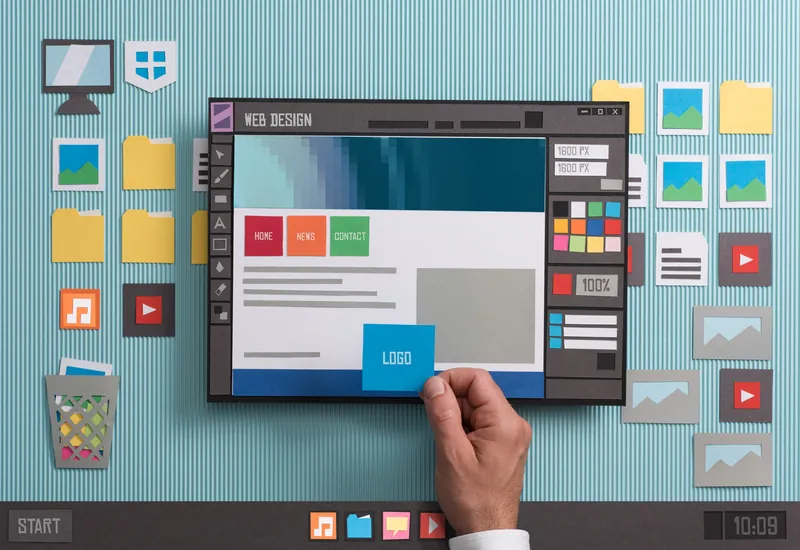
The interfaces of these builders are intuitive. Elements are simply moved usingdrag-and-drop, and text is edited directly on the page. Everything is designed to be as simple and user-friendly as possible.
Ready-Made Templates
Platforms offer dozens or even hundreds of designer templates for various industries—from restaurants to IT companies. You can adapt a template to suit your needs by changing colors, fonts, and layout blocks.
Technical Support and Updates
You don't need to worry about the technical side: updates, security, and hosting are all handled by the platform itself.
All-in-One Solution
Most often, the subscription plan already includes:
- Hosting (găzduire)
- Domain name
- SSL Certificate
- Other essential tools
This is highly convenient, especially for beginners.
Disadvantages of Website Builders
Loading Speed
Some templates are overloaded with heavy animations and complex graphics. As a result, the site may load more slowly, which negatively impacts both user experience and search engine rankings (SEO).
Generic Design
Despite the variety of templates, websites built on these platforms often look similar to one another. While it is possible to customize the design, creating a truly unique and one-of-a-kind project is much more difficult.
Platform Dependency
Your website is hosted entirely on the service provider's servers. If the company changes its terms of service, increases prices, or goes out of business, you will be forced to adapt to the new conditions or migrate your entire site.
Limited Capabilities
For complex projects—such as large-scale online stores with thousands of products or non-standard web services—a builder's features may not be enough. In these cases, custom development is a better option.
Who are website builders for?
Website builders are an excellent choice for:
- Small businesses
- Startups
- Freelancers
- Professionals who need a personal website
- Testing new business ideas de business
If you need a simple, clean website without complex functionality, a builder is a great solution.
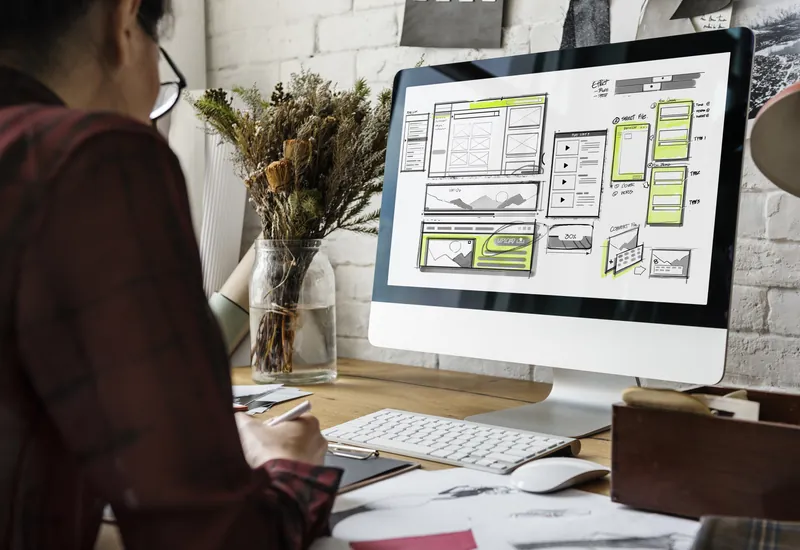
Website builders are a convenient and affordable tool for quickly launching an online project. They save time and money, allow you to work without programming skills, and provide everything you need to get started.
However, for large-scale and complex tasks, their capabilities may not be enough. Therefore, the choice always depends on the project's goals, budget, and development plans.
The main thing to understand is that a website builder is neither "bad" nor "perfect." It is simply a tool that is well-suited for some tasks and not suitable for others.